
Table of Contents
A good night's sleep is a vital component of overall health, but for those with allergies, achieving restful slumber can be a nightly battle. Allergens lurking in the bedroom can trigger a cascade of uncomfortable symptoms, disrupting sleep and impacting daytime function. Many turn to specialised bedding, and bamboo pillows have garnered attention as a potentially beneficial option. But are they truly effective in combating allergies?
Allergies and Sleep
Allergies are an immune system response to normally harmless substances called allergens. When an allergy sufferer comes into contact with an allergen, their body releases chemicals like histamine, leading to a range of symptoms. In the bedroom, common culprits include:
Dust Mites: Microscopic creatures that thrive in warm, humid environments like mattresses and pillows. Their droppings are a potent allergen.
Pet Dander: Tiny skin flakes shed by animals with fur or feathers.
Mold: Fungi that can grow in damp areas, releasing airborne spores that trigger allergies.
These allergens can manifest in a variety of sleep-disrupting symptoms:
Congestion and Runny Nose: Inflamed nasal passages make breathing difficult, leading to snoring and disrupted sleep.
Sneezing: Frequent sneezing episodes can fragment sleep and prevent deep rest.
Itching: Itchy eyes, skin, or throat can cause restlessness and discomfort.
Coughing and Wheezing: Respiratory irritation can lead to coughing fits and wheezing, further disrupting sleep.
The consequences of allergy-induced sleep deprivation extend beyond mere tiredness. Poor sleep is linked to:
Daytime Fatigue and Drowsiness: Impaired concentration and reduced productivity.
Mood Changes: Irritability, anxiety, and depression.
Weakened Immune System: Increased susceptibility to illness.
Cognitive Impairment: Difficulty with memory and decision-making.
Therefore, creating an allergy-friendly sleep environment is important. This is where hypoallergenic bedding, and bamboo pillows, come into play.
The Natural Properties of Bamboo
Bamboo has gained popularity in the bedding industry due to its unique characteristics. Let's explore the properties that make it potentially advantageous for allergy sufferers:
Natural Hypoallergenic Properties: While no material is 100% allergen-proof, bamboo fibres are inherently smoother and rounder than some other fibres, like cotton. This smoothness can reduce irritation to sensitive skin and may be less likely to trap allergens.
Resistance to Dust Mites and Mold: Bamboo fibres possess natural antimicrobial properties, which can inhibit the growth of bacteria and fungi. This can indirectly discourage dust mites, which thrive in humid environments where mold can grow. However, it's important to note that dust mites can still reside in any bedding if proper hygiene is not maintained.
Breathability and Moisture-Wicking Capabilities: Bamboo fabric is known for its excellent breathability and moisture-wicking properties. This means it allows for better air circulation and draws sweat away from the skin, creating a drier environment. A drier environment is less hospitable to dust mites and mold.
Read more about why bamboo bedding.
Comparison to Other Pillow Materials:
Cotton: While natural, cotton can absorb moisture and may trap allergens.
Down: Down pillows, while soft, can trap dust mites and trigger allergies in sensitive individuals.
Synthetics: Synthetic pillows can also trap heat and moisture, and some may release volatile organic compounds (VOCs) that can irritate sensitive individuals.
Bamboo pillows have potential for enhanced breathability and moisture control and may offer other advantages over some of these materials for allergy sufferers.
Construction and Variations of Pillows
It's crucial to understand that not all bamboo pillows are created equal. The construction and materials used can influence their allergy-friendliness:
Types of Pillow Fillings:
Shredded Memory Foam with Bamboo: These pillows often combine shredded memory foam for support with bamboo-derived rayon or lyocell fibres for added breathability and moisture-wicking. The memory foam itself can trap dust mites, so a tightly woven, removable, and washable cover is essential.
Bamboo Fibre Blends: Some pillows use a blend of bamboo-derived fibres with other materials like polyester. The percentage of bamboo and the quality of the other materials will impact the pillow's overall properties.
Pillow Covers:
The cover material and weave are crucial. Look for tightly woven covers that act as a barrier against allergens.
Covers should be removable and washable to facilitate regular cleaning.
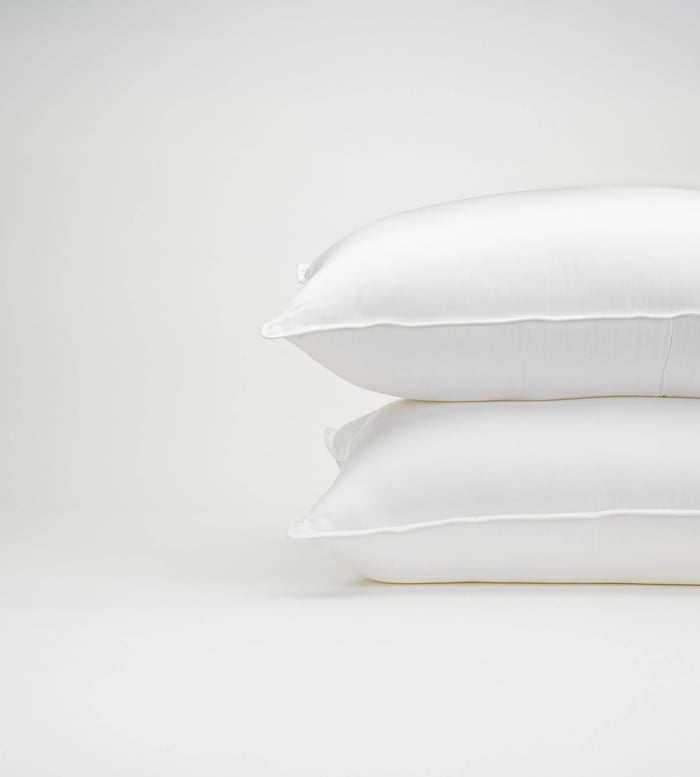
Bamboo Pillow

£50.00
Sleep in pure comfort with the perfect balance of softness and support. Designed for breathability and a plush feel, the Bamboo Pillow enhances your sleep for a truly restful night. Experience the difference that premium bamboo makes to your sleep… read more
How Often Should You Replace Your Pillow?
Even with the right bamboo pillows, they do not last forever. Over time, they can accumulate dust, allergens, and moisture, reducing their effectiveness and comfort. For those with allergies, replacing your pillow every one to two years is often recommended to maintain a cleaner sleep environment. Signs it may be time to replace your pillow include loss of shape, reduced support, or persistent odours after washing. Choosing a breathable, easy-to-clean pillow and maintaining a regular care routine can make a noticeable difference in keeping allergens under control and improving overall sleep quality.
Creating an Allergy-Friendly Sleep Environment
Regardless of the type of pillow you choose, creating an overall allergy-friendly sleep environment is essential:
Regularly Washing Bedding: Wash pillowcases, sheets, and blankets weekly using the recommended care temperature, typically 30–40°C for bamboo fabrics. While higher temperatures are often suggested for eliminating dust mites, consistent washing, combined with proper drying and good bedroom ventilation, helps effectively reduce allergen build-up over time.
Using Allergen-Proof Encasements: Encase mattresses and pillows in allergen-proof covers to create a barrier against dust mites.
Maintaining Low Humidity Levels: Keep bedroom humidity below 50% to discourage dust mites and mold growth. Use a dehumidifier if necessary.
Air Purification: Consider using an air purifier with a HEPA filter to remove airborne allergens.
Pet Management: Keep pets out of the bedroom, or at least off the bed, to minimise pet dander exposure.
Are bamboo pillows good for allergies? The inherent properties of bamboo, such as its breathability, moisture-wicking abilities, and potential for antimicrobial action, suggest that they can be a helpful component of an allergy management strategy.
For individuals seeking a potentially less allergenic pillow option, pillows crafted from bamboo may be worth considering, especially when combined with other allergy control measures. Prioritising a tightly woven cover, regular washing, and creating an overall allergy-friendly sleep environment is paramount for achieving a restful and symptom-free night's sleep. If you have severe allergies, it's always best to consult with an allergist or sleep specialist for personalised advice.
Take a look at our range of bamboo products to help you have an allergy-free sleep from bedding sets to pillowcases, duvets, flat sheets and more!
FAQs
Are bamboo pillows good for people with allergies?
Bamboo pillows can be a suitable option for allergy sufferers due to their breathable and moisture-wicking properties, which help create a less hospitable environment for dust mites and mould.
Do bamboo pillows prevent dust mites completely?
No pillow can completely prevent dust mites. However, bamboo pillow covers are often tightly woven and breathable, which can help reduce the conditions dust mites thrive in when combined with proper care.
What makes bamboo pillows different from cotton or synthetic pillows?
Bamboo pillows tend to offer better airflow and moisture control compared to cotton or synthetic options, which can help maintain a drier and more comfortable sleep environment.
Are all bamboo pillows the same?
No. Bamboo pillows can vary significantly depending on their construction and internal fill. Many are designed with a bamboo-derived fabric cover, while the interior may consist of materials such as shredded memory foam, polyester fibres, or other blends.
Memory foam can offer strong support, but it is a denser material that may retain heat and moisture more than natural fibres. This can create a slightly more favourable environment for dust mites if the pillow is not properly ventilated or regularly maintained. For those with allergies, the outer cover, breathability, and ability to wash the pillow easily are just as important as the filling itself.
How do you maintain bamboo pillows for allergy control?
Regular washing of pillowcases, using allergen-proof protectors, and keeping the bedroom environment clean and dry are key to maintaining their effectiveness for allergy management. Good airflow and routine cleaning help reduce the build-up of dust, moisture, and other allergens over time.